September 17, 2026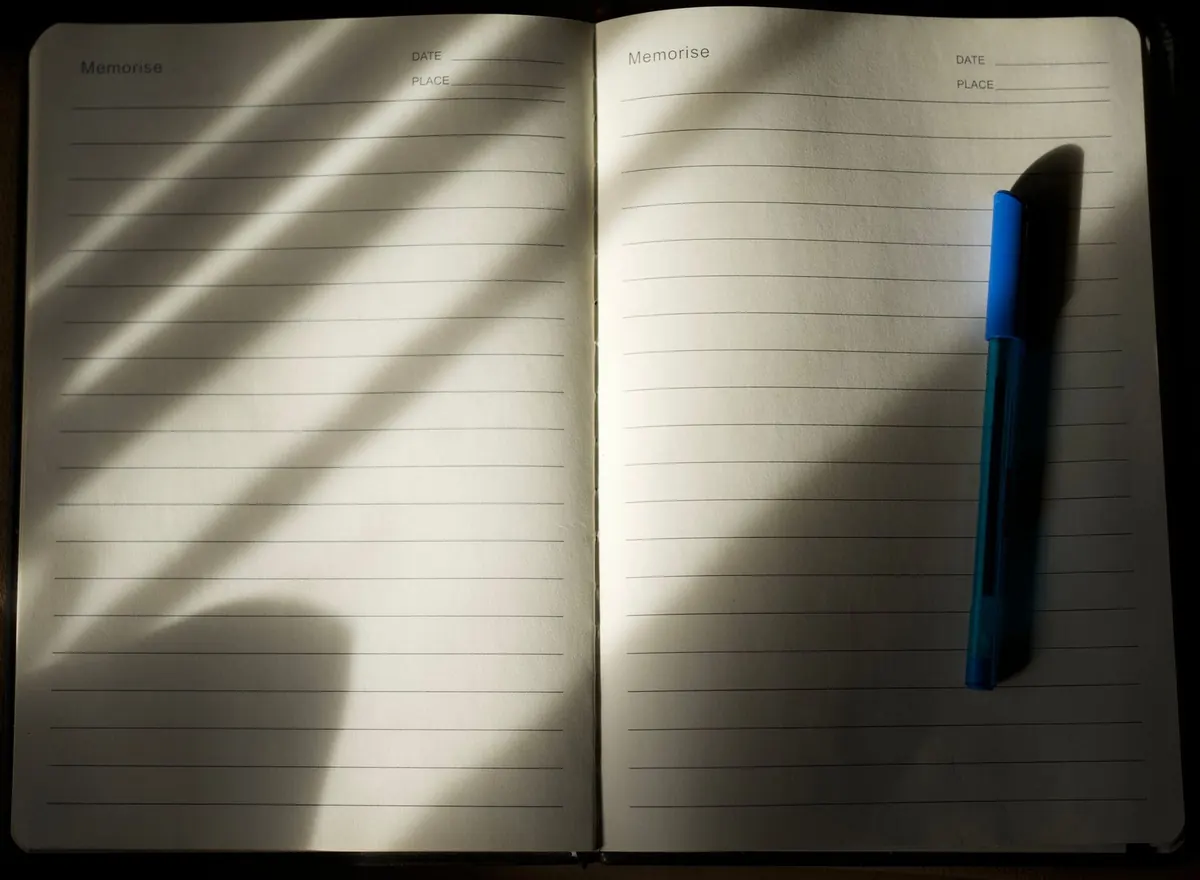
Most days end in a blur. You finish work, sort out dinner, answer a few messages, and then it is somehow half past ten and you are in bed trying to remember what actually happened. An evening reflection journal is a way of catching the day before it slips away. Five minutes, three questions, one pen. That is the whole method.
Why Five Minutes Is Enough
Long journaling routines fail for a predictable reason: they ask for more energy than most evenings can supply. When a habit needs thirty minutes and a clear head, it survives until the first late meeting, then quietly dies.
A five-minute version works because it asks for almost nothing. You are not writing a diary or documenting your life for posterity. You are doing three small jobs: noticing what worked, extracting one lesson, and deciding what matters tomorrow. That is a review, not a memoir.
There is a second benefit. Short entries tend to be honest. Give yourself an hour and you will start editing, explaining, building a case. Give yourself five minutes and you write the plain version: I was short with Sam on the call. I was tired and I rushed it. That is far more useful.
What You Need Before You Start
Almost nothing, which is the point.
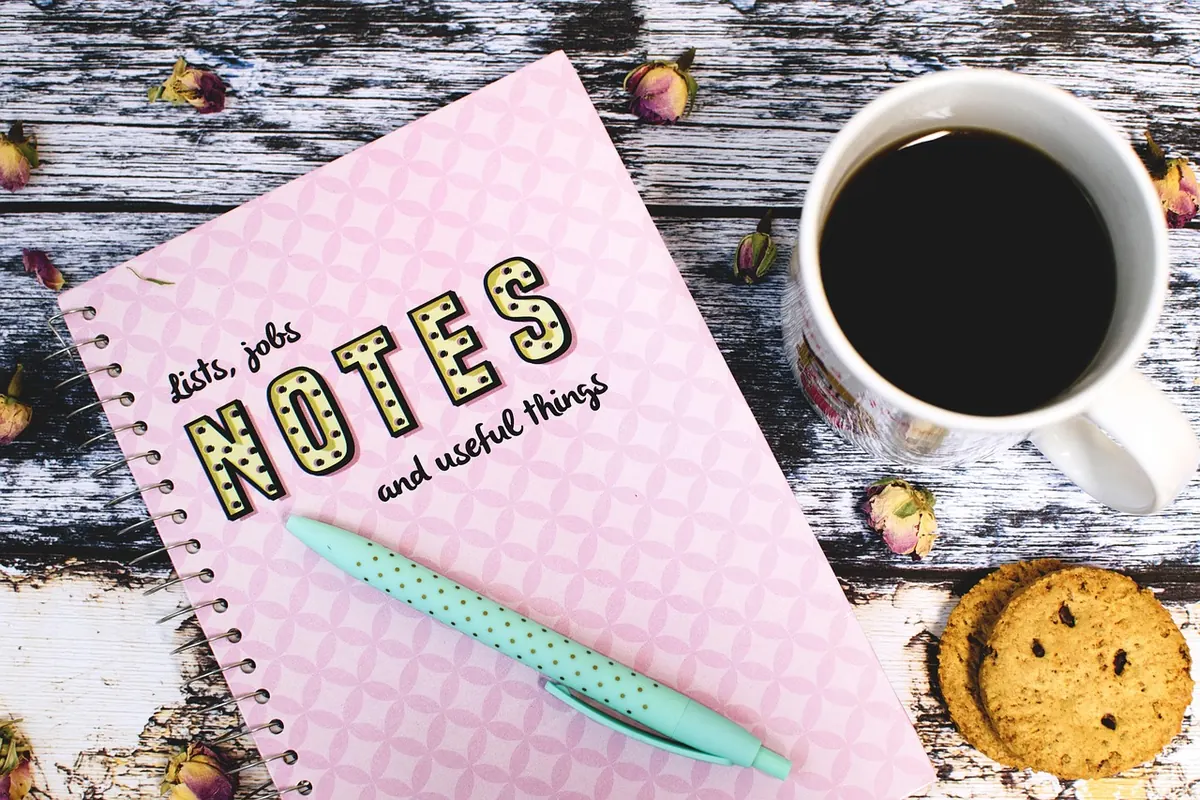
- A notebook you like. A cheap A5 notebook is fine. Fancy stationery is not required, but something you enjoy picking up helps more than you would expect.
- A pen that lives with it. A pen that keeps going missing is a broken system.
- A fixed spot. The kitchen table, the arm of the sofa, the bedside shelf. Somewhere you already sit at the end of the day.
- A timer. Your phone's timer is fine, though leaving the phone in another room while you write works better.
If you would rather type, a notes app will do. Just be aware that the phone holding your journal also holds your email, and the pull is strong. Paper is easier for one simple reason: it cannot notify you.
The Three Prompts
Every entry answers the same three questions, in the same order. Repetition is what makes it quick.
1. What went well today?
Aim for one to three specific things, however small. "I finally sent the invoice I had been avoiding." "I walked at lunchtime instead of eating at my desk." "I asked for help instead of guessing."
Small wins are not consolation prizes. Written down over a few weeks, they become evidence — a record of what you actually do, rather than the things you fear you never do.
2. What did I learn?
Lessons do not have to be profound. Most are practical: a 4pm call will always run into school pick-up, or I do not do useful thinking after three meetings. If "what did I learn" feels too grand, ask "what would I do differently?" instead. Same result, less pressure.
3. What is tomorrow's one focus?
One thing. Not a list. Make it specific enough that you will know whether you did it. "Be more organised" is a wish. "Draft the first page of the report before I open my inbox" is a plan. Choose something you can finish before lunch, so the rest of the day cannot bury it.
A Five-Minute Structure
Set a timer for five minutes and follow this shape.
- 0:00–0:30 — Date the page. Add the day and anything unusual about it: poor sleep, a big meeting, a cold coming on.
- 0:30–2:00 — Wins. One to three, specific and small.
- 2:00–3:30 — Lessons. One lesson, phrased as something you would do differently.
- 3:30–4:30 — Tomorrow's focus. One clear action.
- 4:30–5:00 — Read it back. Close the notebook. Done.
A finished entry might look like this:
Tuesday. Slept badly, still got the proposal out.
Wins: Sent the proposal. Took a proper lunch break. Rang Mum.
Lesson: I answered emails first thing again and lost the good hour. Do the writing first tomorrow.
Tomorrow's focus: Thirty minutes on the client brief before opening email.
Four Traps Worth Avoiding
- Writing for an audience. Nobody is reading it. If you are composing tidy sentences, you are performing, not reflecting.
- Turning it into a task list. Wins and lessons are not chores. Keep tomorrow's focus to one item and leave everything else in your actual to-do list.
- Only writing on bad days. If the journal appears only when something goes wrong, it becomes a record of problems. The wins section exists to balance that.
- Chasing depth. Some nights you will write three lines and nothing more. That counts. Consistency matters far more than insight.
Making It Stick
Attach the journal to something you already do without thinking: making the last cup of tea, locking the front door, plugging in your phone. The new habit rides on the old one.
If you miss a night, skip it. Do not spend the next evening writing two entries. Catching up turns a small habit into a backlog, and backlogs are what kill routines.
Once a week, read back over the last seven entries. You will start to see patterns: the same lesson twice, a focus that keeps failing because it was never realistic. That weekly glance is where much of the value shows up, and it takes about ten minutes.
One more thing. Reflection is meant to be gentle, but if looking back at your days regularly leaves you feeling low or anxious, that is worth talking through with a GP, a counsellor or a trusted friend. A notebook is a useful tool, not a substitute for proper support.
Try It Tonight
Before bed, write the date and answer the three questions. Keep the answers short, and set the timer if you are prone to drifting.
Then do it again tomorrow. A week of five-minute entries will tell you more about your days than a month of good intentions — and it costs you half an episode of something you were only half watching anyway.
Photo: Taiye Salawu / Pexels