October 03, 2026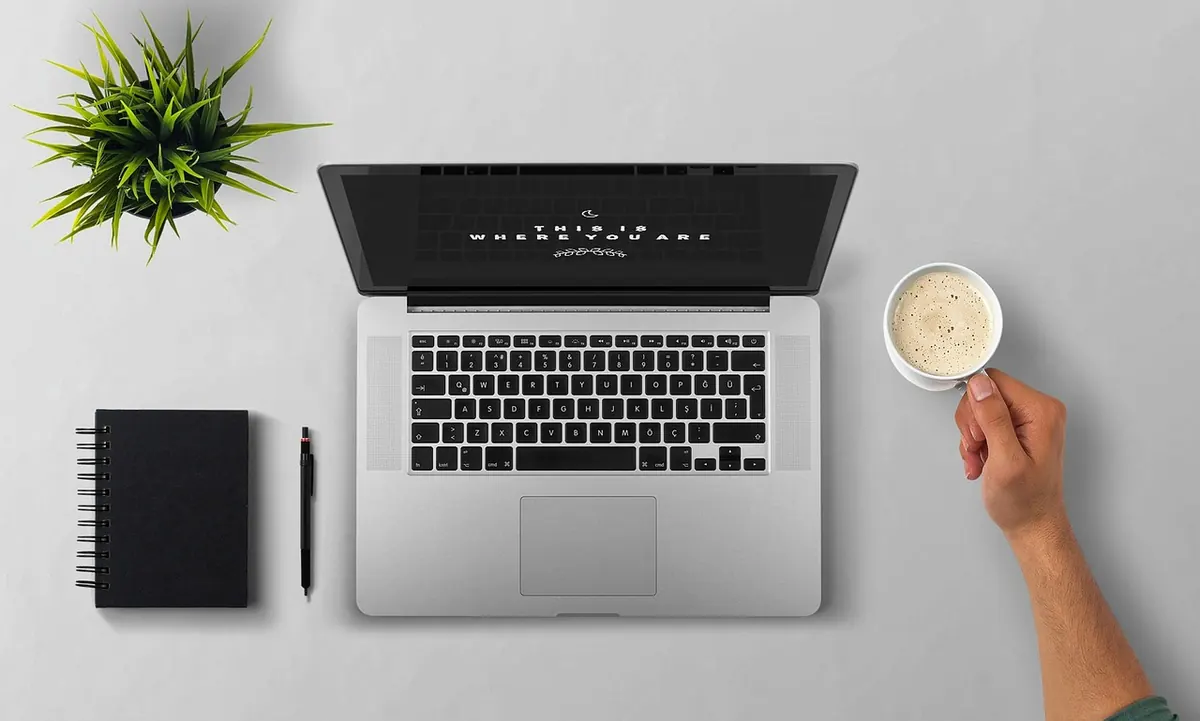
Most advice about focus arrives as a demand: delete the apps, buy a basic phone, move to a cottage. That works for some people. Most of us try it for a fortnight and quietly drift back.
The more useful question is smaller. What can you change on an ordinary Tuesday afternoon, without announcing it to anyone, that buys back twenty minutes of clear attention?
None of the habits below requires a subscription, a new identity or a personality transplant. They are unglamorous, they take under a minute to set up, and you can judge whether they work within three days. Pick two. Keep what earns its place.
1. Work in One Window at a Time
Tab bars are where focus goes to die. Twelve open tabs are twelve open loops, each one quietly asking to be checked.
The habit is simple: decide what you are doing before you open anything. Write it at the top of a blank note — "draft the March report", not "admin". Then close everything else. If you need a new page, open it, use it, close it.
If closing tabs feels reckless, park them instead. Save the whole window into a bookmarks folder called Later and shut it down. The links still exist. They have simply stopped looking at you.
The 90-second rule
When a distraction arrives mid-task, write it on a scrap list and go straight back to work. Ninety seconds of restraint is usually long enough for the urge to fade. Deal with the list when you stop, not when it appears.
2. Keep the First Thirty Minutes Phone-Free
Not the whole morning. Thirty minutes. If you rely on your phone as an alarm, a cheap alarm clock or putting the handset in aeroplane mode overnight does the same job.
What you look at first tends to set the tone. Open email and you spend the next hour answering other people's priorities. Open nothing and you get to choose your own.
Three ways to make it stick:
- Charge the phone outside the bedroom, or at least across the room.
- Replace the reflex with one fixed thing: the kettle, a shower, ten minutes with a book, a few stretches.
- Keep a paper notepad by the bed for the thought you are afraid of forgetting.
The first two mornings feel strange. By the fourth, you arrive at your desk with a thought already forming instead of a inbox already read.
3. Move for Two Minutes, Not Twenty
Long movement breaks are aspirational. Short ones actually happen. Two minutes is brief enough to fit while the kettle boils or a file uploads.
- Walk to the far side of the room each time you finish a task.
- Roll your shoulders, turn your neck slowly, do ten squats.
- Take phone calls standing up when you don't need the screen.
The point isn't fitness. Sitting still for hours narrows attention, and a change of position interrupts the drift before it becomes a scroll. If you have pain, an injury or an existing health condition, get personalised advice from a GP or physiotherapist rather than following generic tips.
4. Build Tiny Rituals Between Tasks
Most lost focus happens in the gap — the moment after one thing ends and before the next begins. With no marker, the gap fills with a screen.
Give each task a two-step close:
- Write one line about where you stopped and what happens next.
- Do something physical for thirty seconds — refill your water, open a window, walk to the stairs.
Then start the next task with a concrete first move. "Open the spreadsheet and rename the file" is a start. "Work on the budget" is a wish. Vague beginnings invite procrastination; specific ones give your hands somewhere to go.
5. Make Notifications Earn Their Place
Go through your phone settings once and ask of each app: does this need to reach me at an unpredictable moment? Most don't. Keep calls and messages from actual people. Turn off the rest — banners, badges, sounds.
Then batch the checking. Choose two or three points in the day for email and messages. Not because a rigid schedule is virtuous, but because "whenever it arrives" means constantly.
If people expect quick replies, tell them your pattern. "I check email at eleven and four" prevents far more confusion than disappearing without a word.
6. Decide When the Day Ends
Focus is easier when there is a boundary at the other end. Without one, the working day smears into the evening, and the evening gets spent half-working and half-resting, badly at both.
Choose a shutdown time and write three lines: what got done, what is still open, what comes first tomorrow. Then close the laptop and stop properly.
It feels dull, and it works. Tomorrow starts with a plan rather than a slow re-entry, and your head stops rehearsing the list overnight because the list is already on paper.
Start With Two, Not Ten
Reading a checklist like this usually produces enthusiasm and no change at all. Two habits is plenty. Here is a week that works:
- Days one and two: the phone stays out of the bedroom. Notice what you reach for first.
- Days three and four: one hour of single-window work a day. One hour only.
- Days five to seven: add the three-line shutdown note and a two-minute movement break after lunch.
At the end of the week, write down what improved and what you quietly abandoned. Keep the two that felt almost too easy. Drop the rest and revisit them in a month, when the first two have stopped needing willpower.
One more thing worth trying, because it costs nothing: leave one small wait empty each day. The queue, the bus stop, the three minutes before a meeting. Look out of the window instead of at a screen. Half-formed ideas tend to surface when nobody is filling the silence.
And if focus stays genuinely difficult after a few weeks of sensible adjustments, mention it to your GP. Persistent trouble concentrating can sit alongside poor sleep, stress, low mood or a physical cause, and those are worth looking at properly rather than working around.
Photo: 27707 / Pixabay